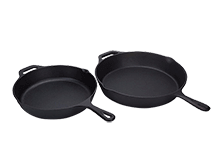
For a successful holiday feast, the perfect balance of efficiency and flavor is crucial. Choosing the right cookware is the key to a splendid holiday meal—no need to compromise between cooking efficiency and taste, nor to sacrifice heat retention for visual appeal. By cleverly combining the classic materials of cast iron and carbon steel, you'll obtain the ultimate tool set covering the entire cooking process. This article will demonstrate how to make them work together in your Christmas kitchen to create a delicious symphony through three core scenarios.
Scenario 1: Appetizers and Main Courses—A "Temperature Duet" to Master the Rhythm
The perfect start to a holiday dinner lies in precisely controlling the cooking rhythm and serving temperature.
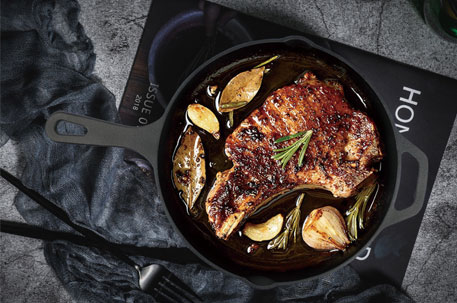
The Role of Cast Iron (Stability and Presentation): Let your cast iron grill pan or enameled cast iron skillet handle the "heavyweight" appetizers or main courses that require perfect caramelization and heat retention. For example, searing a thick-cut bone-in steak, a sweet and delicious honey-glazed ham, or a delicious turkey breast slow-cooked with herbs and garlic butter. Cast iron's superior heat retention creates an unparalleled crispy crust, locking in the internal juices. After frying, the residual heat of the pan keeps the food warm for a long time, allowing it to be served directly to the table, its sizzling sound earning applause.
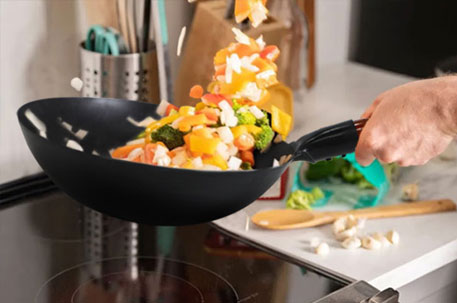
The complement of carbon steel (speed and wok hei): Simultaneously, use your lightweight carbon steel wok to quickly stir-fry vegetables or seafood. Carbon steel's rapid heat conduction instantly reaches high temperatures, locking in the crispness and moisture of vegetables within minutes through stir-frying, producing the "wok hei" characteristic of professional restaurants. Its lightweight design makes tossing the wok effortless, ensuring chefs remain efficient even during busy periods.
Synergistic advantages: While the cast iron pan is steadily searing and accumulating flavor, the carbon steel pan has already prepared several quick side dishes. This combination of stability and speed allows time-consuming main dishes and quick stir-fries to be prepared simultaneously, ensuring all dishes are served at optimal temperature and texture.
Scenario Two: Cooking and Serving – Creating Seamless Elegance from Kitchen to Table
Simplifying processes and reducing cleanup are the thoughtful philosophies of holiday hospitality. The combination of cast iron and carbon steel makes the cookware itself a beautiful addition to the table.
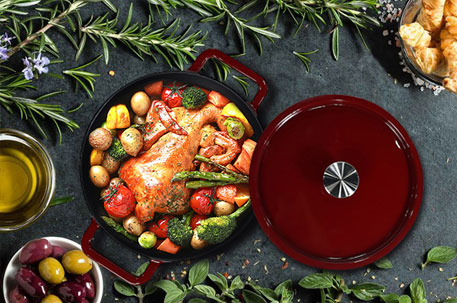
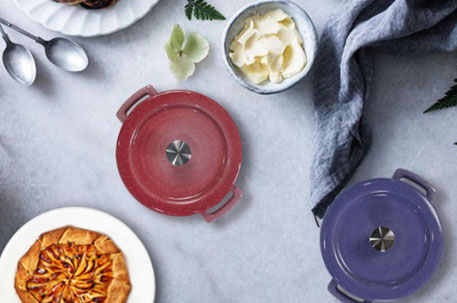
Cast Iron's Role (One-Piece Molding and Durable Heat Retention): The enameled cast iron stew pot is the star of this scenario. Slow-cook a pot of beef burgundy or herb-roasted chicken in it; its heavy lid locks in moisture and aroma. After cooking, there's no need to change the serving dish – its beautiful enamel finish is an elegant table decoration, while the long-lasting heat retention of cast iron keeps the food warm and delicious throughout the meal.
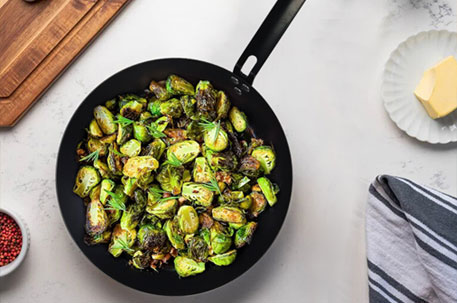
Carbon Steel's Complementary Role (Versatility and Lightweight Serving): Use your carbon steel frying pan or wok to prepare side dishes or reheat. Sautéed mushrooms or roasted Brussels sprouts can be seasoned directly in the pot and shared as a "second course." The lightweight nature of carbon steel pots makes sharing and passing them safe and convenient, while their gradually developing oily sheen presents a unique handcrafted aesthetic.
Synergistic Advantages: Cast iron pots serve as the centerpiece of the table, providing warm main courses; carbon steel pots act as a complement, flexibly passing side dishes. Both eliminate the need for extra plates and dishes, minimizing cleanup work and directly presenting the warmth and sincerity of cooking to family and friends.
Scene 3: Baking and Slow Cooking – Interpreting the Art of "Strength and Delicacy" in Flavor
The grand finale of a festive feast lies in satisfying diverse needs, from warm drinks to sweet desserts.
The Role of Cast Iron (Even Baking and Gentle Slow Cooking): Utilize a small cast iron skillet to create stunning individual portions of desserts. Whether it's caramel apple crumble or chocolate lava cake, the even and powerful radiant heat of cast iron creates a perfectly caramelized crust and a flowing filling.
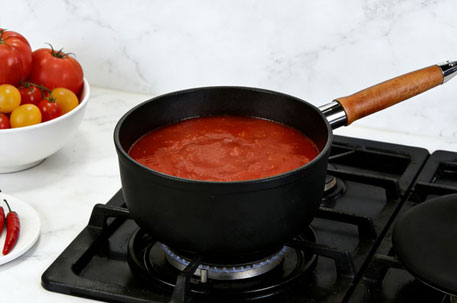
The Complementary Role of Carbon Steel (Precise Temperature Control and Rapid Heating): When you need to quickly prepare a batch of festive crepes as a dessert base, or when you need precise temperature control to make a tomato sauce, a carbon steel skillet or saucepan is a more agile choice. Its rapid response to temperature changes allows you to accurately control the heat, avoiding the common pitfalls of overcooking or undercooking in dessert cooking.
Synergistic Advantages: Cast iron provides deep heat and long-lasting warmth, shaping the complexity of flavors; carbon steel ensures precision and efficiency. One gentle, one strong, together covering a comprehensive range of taste bud care.
Conclusion: More Than Just Tools, It's the Wisdom of the Holidays
This Christmas, consider your kitchen as a delicate symphony of flavors. The solid, weighty cast iron acts as a strong base, firmly supporting the natural flavors of each ingredient and laying a warm, rich foundation; the agile, nimble carbon steel is like the finishing touch, precisely outlining the vibrant layers of the ingredients. When both complement each other perfectly, you can effortlessly control every culinary detail of the feast.
This is not just about cooking, but about creating a smooth, elegant, and fulfilling holiday experience. Investing in complementary cookware combinations is about preparing yourself with ease and wisdom for countless warm holidays to come.
Ready to create your efficient holiday kitchen? Contact us for a customized cast iron and carbon steel combination plan and embark on a relaxed and enjoyable culinary journey.
Copyright © Shijiazhuang Sarchi Trade Co., Ltd. All Rights Reserved. |
Sitemap | Powered by